


Branch Stories
All Tree Stories for tag 'Faith'
| Story | |
|---|---|
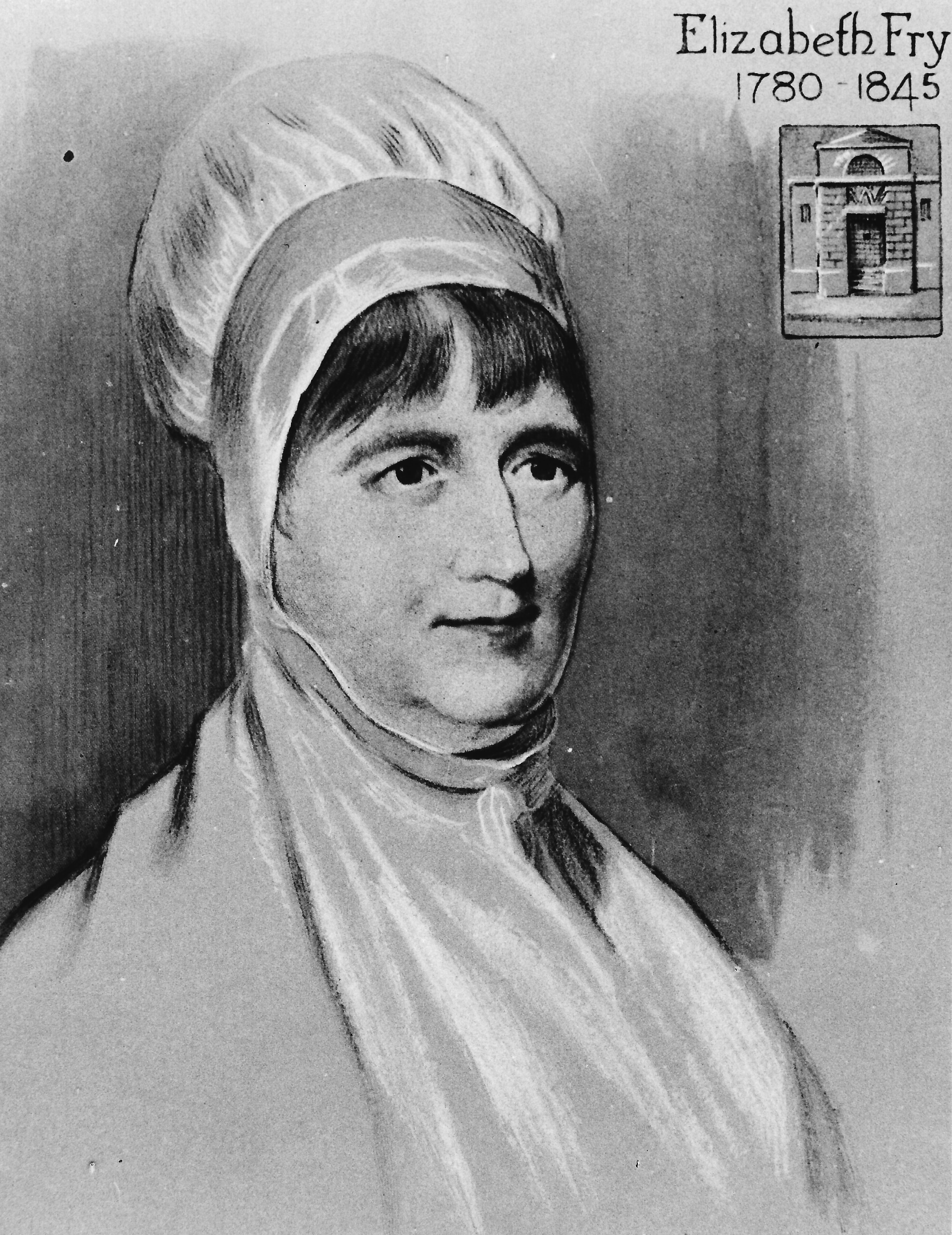 Elizabeth Fry | Elizabeth Fry was a preacher and political reformer. She was born in Norwich in 1780 to the Gurneys, a wealthy Quaker family. Elizabeth became a member of Plain Friends, a strict religious sect who dressed modestly and refrained from singing and dancing. She was inspired by the preaching of William Savery to devote her life to helping the needy. She visited the sick, collected clothes for the poor and ran Sunday schools to teach reading. In 1799 she met Joseph Fry. They married in 1800 and she moved to his family home in Plashed, now East Ham. VIEW FULL STORY |
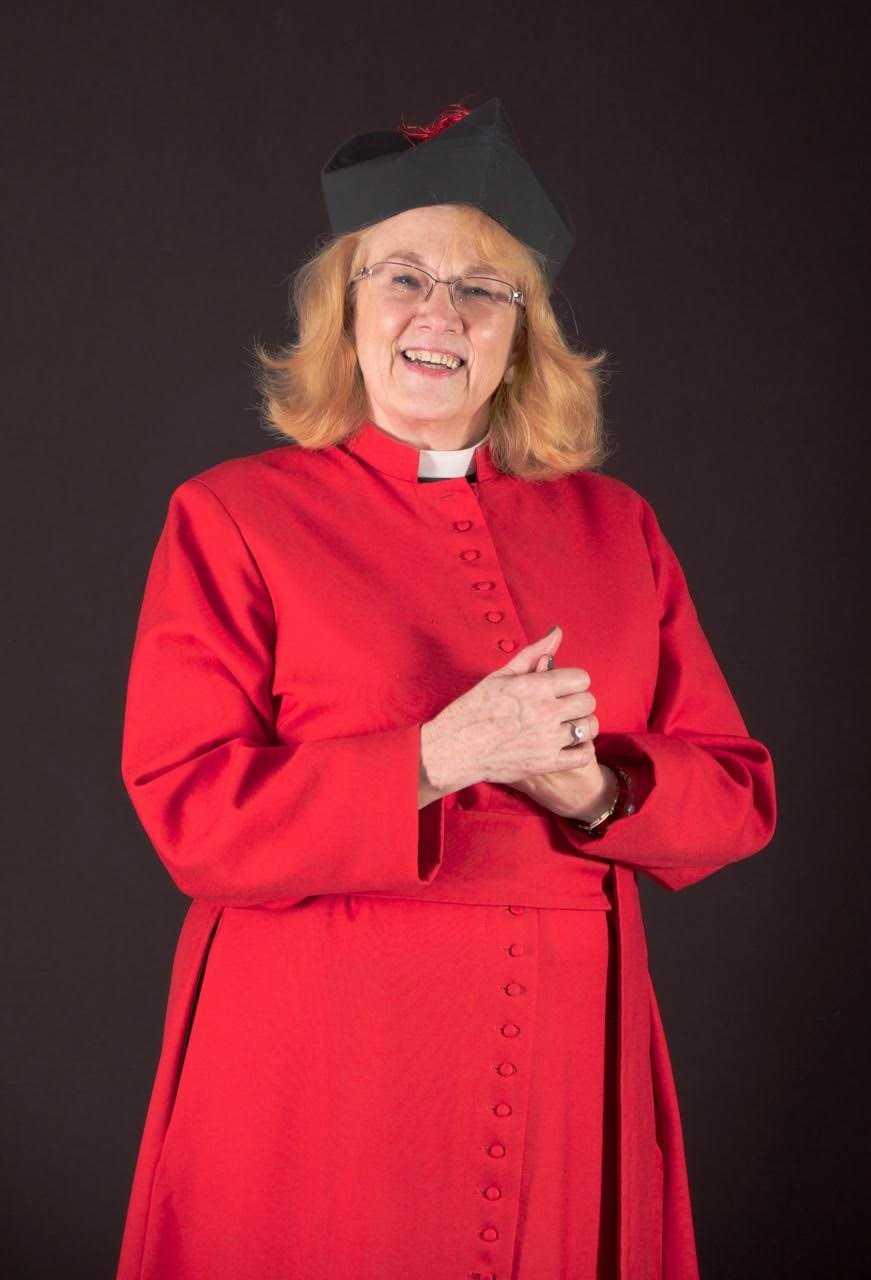 Rev Canon Ann Easter | The story of Ann Easter is an interesting and fascinating one. Ann is a local girl who was born in Upton Park, who has played a prominent role in the local community and within local churches and now serves as a councillor for Canning Town North. Recently, Ann became a chaplain to Her Majesty the Queen and in doing so became the first figure to carry out this role from Newham. This role and responsibility requires her to preach once a year at St James Palace. From an early age, (aged 6) Ann had decided that she wanted to become … |
 Professor Strom-Olsen | Professor Strom-Olsen was merely 32 years old when he was appointed Superintendent of the Runwell Hospital in 1937. At the time, the role was not only prestigious, but also carried a great deal of administrative power. Olsen was fully in charge of the hospital and in a position to make and carry out decisions that had an impact on the entire institution. Despite his young age, it was the doctor’s first aim to create a nurturing environment for the treatment of patients and to encourage a proactive and advanced research approach. Following these cardinal principals, one … |
 Dr Hannah Hedwig Streisow | Receiving the Outstanding citizen award in 2001 from Newham Council, Hannah Hedwig Striesow (née Kohn) is still remembered for her services and dedication to the Newham Community. As one of the first female GPs to practise in Newham in 1950, and continuing to work tirelessly as a full-time Doctor until she was 81, Hedwig Striesow is a truly inspirational figure who defied the barriers of both age and gender. Hannah Hedwig’s journey to success is truly remarkable.Growing up in northern Bavaria, her journey to becoming a doctor was by no means plain sailing- and yet this … |
 The Renewal Programme | The Renewal Programme was set up in Newham in the midst of a volatile political situation in the early 1970s. The arrival of a large Ugandan community had caused tensions within the local community and there were reports of attacks on these groups from gangs of white men. This led to Clifford Hill, Ted Faith and Roland Joiner setting up a youth group with the specific aim of the group to be multi-cultural. This was the beginning of Renewal. In 1971, Renewal successfully applied for a grant and were given £6,000 and the first proper meeting … |
 Aston Mansfield | In 2000, Aston-Mansfield was created by the merger of two charities – Aston Charities Trust and The Mansfield Settlement – who had been working in east London since the late 19th century. The ethos of Aston-Mansfield’s work has always been about its buildings; the community anchors for local people, open to all. Some of the services that we provided over 100 years ago are not so different to those we deliver today. The Busby Scouts group started in the original Durning Hall in 1908 and meet weekly to this day. With many regular clubs and groups, Durning Hall became a … |
 Gandhi meets Chaplin | Mahatma Gandhi arrived in London in 1931 to attend the Round Table Conference where he spoke eloquently about Indian independence. While he attended the conference Gandhi choose to make his home in Kingsley Hall for 12 weeks. This hostel was run by Socialist pacifist Muriel Lester and was located in Bow in East London. While Gandhi was in London, a meeting between himself and Charlie Chaplin occurred in Canning Town. This meeting took place in Dr Katial’s house who was an acquaintance of Gandhi’s. Hundreds of people gathered outside the house to catch a glimpse of the meeting between Chaplin … |
 Mahinder Singh Puji | Mahinder Singh Pujji was born in Simla, in 1918 and became one of many Sikh fighters who volunteered to fight for Britain in World War II. In 1937 he qualified as a pilot and in 1940 aged 22, he volunteered to serve with the Royal Air Force in Britain after seeing an advertisement in the press. Mahinder was one of only seven Indians who were selected as fighter pilots and insisted on wearing his turban at all times - possibly the only Sikh fighter pilot to have done so. He flew Hawker Hurricanes during the Battle … |
 Maud Karpeles | In the 19th century Canning Town became home to the Mansfield House settlement at 143-147 Barking Road, a site that was used for a variety of social and community projects where state funds were non-existent. Organisations such as the Men’s Club, an Orchestral Society, a dramatic society and various sporting clubs all used the premises, and the organisation was also involved in providing shelter for sailors, dockworkers, or homeless people searching for work. One volunteer at Mansfield House was Maud Karpeles, born in London in 1885 to Jewish parents, and whose father was a German immigrant. In the late 1800s, confectionary became a popular consumer product, and companies such built factories in the area providing a great deal of employment in the local community. Streimers Nougat was set up by Morris Streimer, a Jewish immigrant from Austria. Streimer was born in Brody (circa 1857), then part of the Austro-Hungarian empire and moved to England around 1888. Streimer founded his nougat factory shortly after this time in High Street and Ward Road, West Ham and in 1898 moved to Victoria Street. He became one of the suppliers for Ernest Shackleton’s Endurance expedition to … |
 Luke Howard | Luke Howard was born in 1772 into the Quaker family of Robert and Elizabeth Howard in London. In an incredible life Luke fought against slavery and was also a very generous benefactor to many good causes. Luke was educated at the Quaker School in Burford, Oxfordshire. He married Mariabella daughter of Quakers John and Mary Eliot and they went on to have 8 children. In 1798 he went into partnership with fellow Quaker and pharmacist William Allen who owned the Plough Court Pharmacy in Lombard Street and was subsequently made responsible for the laboratory in Plaistow. … |
 Reuben Goldberg | Reuben Goldberg’s career of fighting racism and fascism saw him on the frontline in both Bradford and Newham. Reuben was a member of the international Marxist group, President of the Bradford Student Union, and one of the original founders of the Bradford Ad-Hoc committee against racism and fascism. His background as an anti-fascist, a socialist, and a Jew meant he was often seen as a target by his enemies and was regularly attacked. In 1975, Reuben was central to the newly formed Asian Youth Movement, stopping the National Front from marching through Manningham – the heart … |
 Madge Gill | An outsider, a visionary, totally insane: all of these words have been used, at some point, to describe artist Madge Gill. Born in East London in 1882, Madge Gill, born Maud Ethel Eades, lived a troubled, yet interesting life. She was placed in an orphanage at the age of nine, and shortly afterwards was sent off to Ontario, Canada. Here, she worked as a domestic servant in different households, loathing each experience and always craving to go back to her native London. In 1900, at the age of 18, she was able to pursue … |
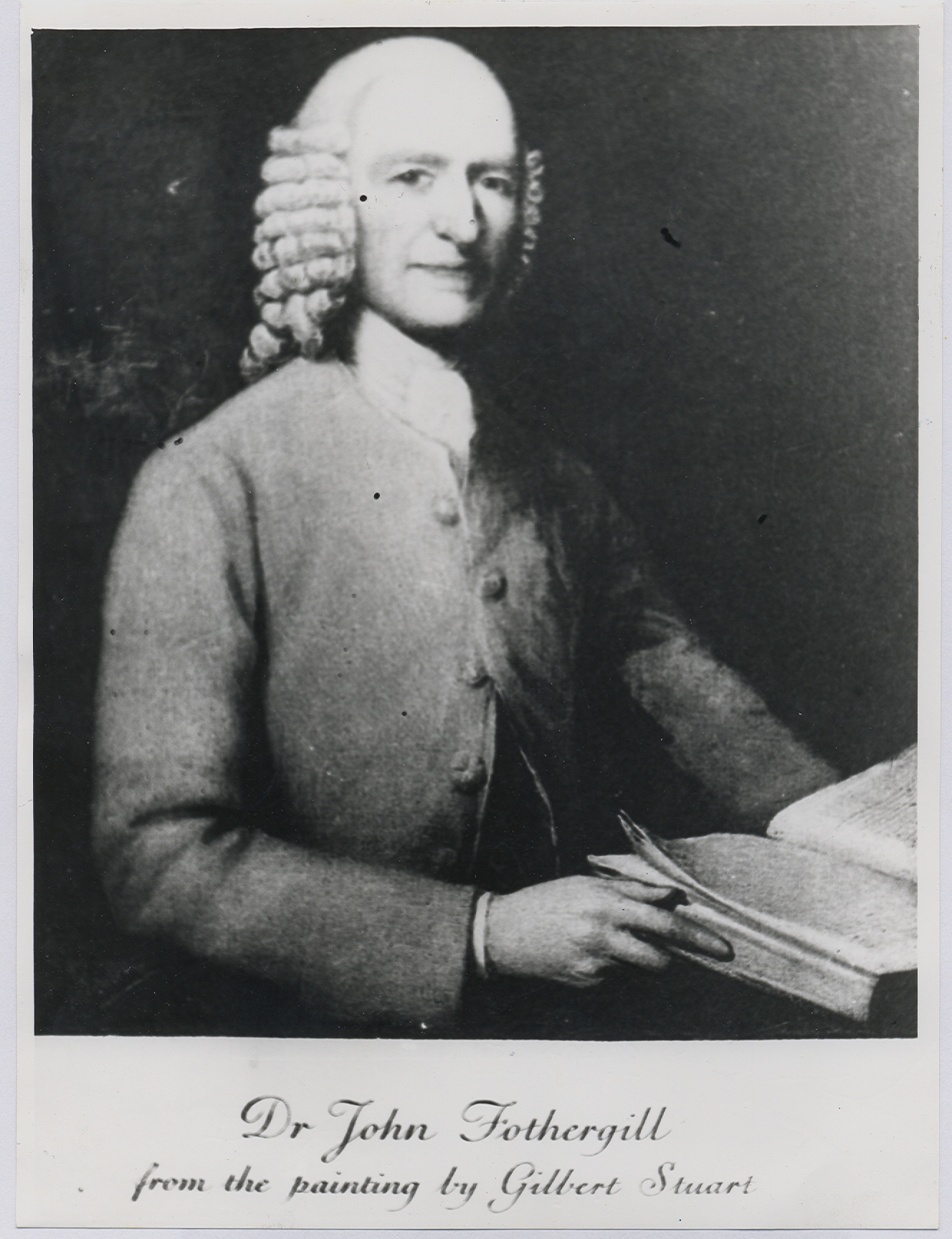 Dr John Fothergill and West Ham Parks | Dr John Fothergill, was a well-known physician, Quaker philanthropist, botanist, campaigner for the abolition of slavery, and the owner of one of the best known gardens in England. Fothergill was initially from Yorkshire but after building a successful career as a doctor he purchased a house and thirty acres near West Ham. The purchase was made in 1762 and Fothergill began enlarging the estate and renamed the home Upton House. He created a grander garden where plants acquired from foreign lands were heavily featured. A local legend states Fothergill had so little time to … |
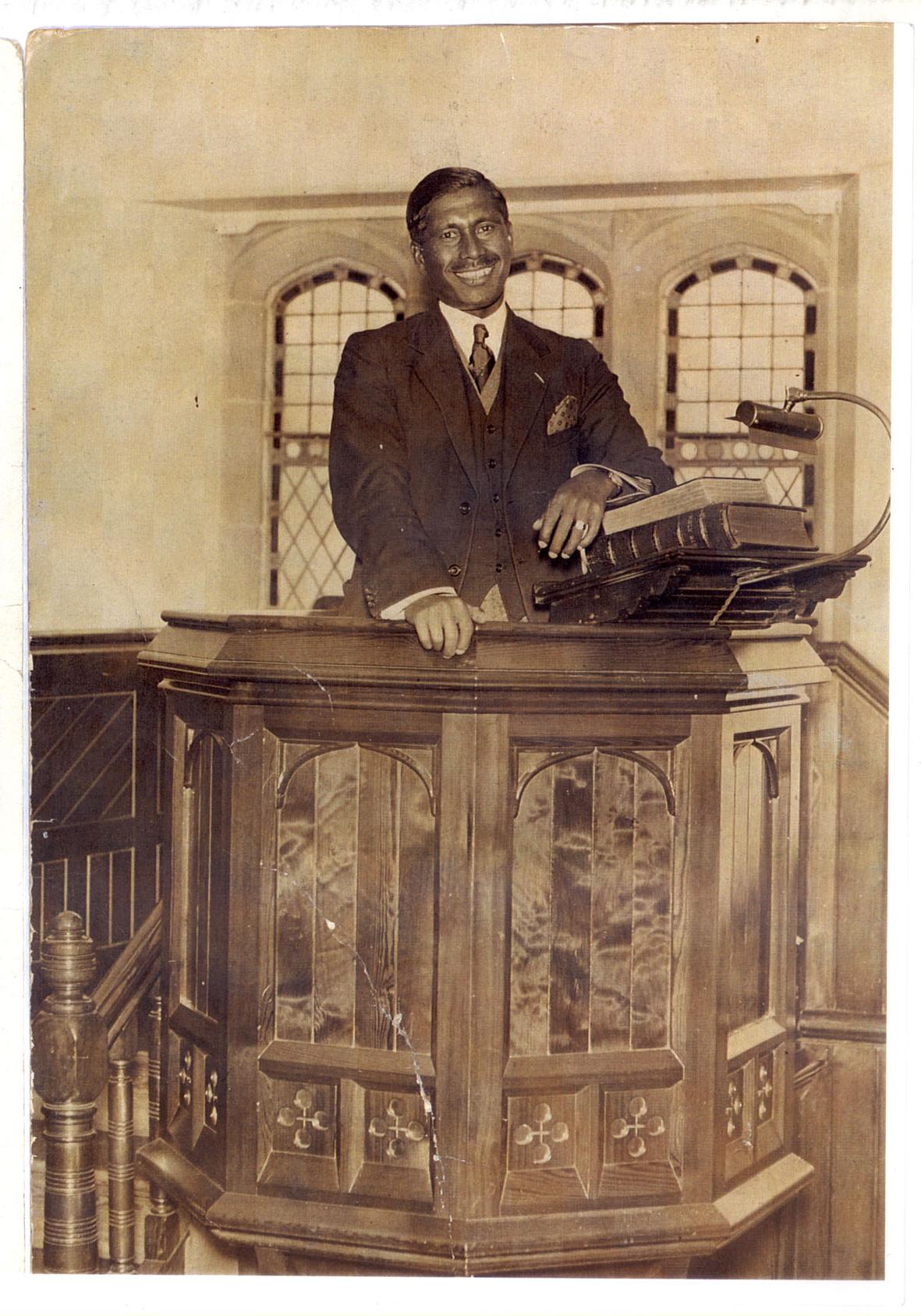 Kamal Chunchie | Kamal Athon Chunchie was a Methodist pastor and founder of the Coloured Men’s Institute. He was born in Sri Lanka to a Muslim family on the 4th June 1886, and enjoyed an active childhood. In 1915 he enlisted in the Public Schools Battalion and saw action in France and Selonika and was wounded twice. In 1917 he converted to Christianity and arrived in London in 1918. Towards the end of the war, he met Mable Tappen a member of the Women’s Army Auxiliary Corps. They married in July 1920 and had one daughter, Muriel. Anna Kingsford (née Bonus) was a doctor, writer, mystic, and women’s rights activist. Born on September 15 1846 in Stratford, her father, a wealthy London shipbroker, died when she was young and left her a large endowment which gave her the kind of financial autonomy many women at the time were not used to. She decided the conditions of her marriage when she married Algernon Kingsford in 1867, and though an Anglican clergyman, he accepted her conversion to Catholicism in the 1870s. Anna’s autonomy and her husband’s acceptance of it, broke socio-cultural standards. Anna Kingsford was … |
 NASSA - Newham All Starts Sports Academy | Newham All Star Sports Academy (NASSA) has become part of Newham’s fabric since it was formed in 2006 by Natasha Hart MBE. It was set up to provide a safe haven in which young people could play basketball socially and competitively in a positive, fun environment. Its growth in size and impact led to it being named overall Charity of the Year at The Charity Awards 2014. Where NASSA differs from many other basketball clubs is in the mentoring support it offers to its young people to increase their awareness … |
 Colin and Judith Marchant | Judith and Colin Marchant came to Newham in 1965 when Colin was invited to be Baptist Minister at West Ham Central Mission (WHCM) - now Memorial Community Church. They arrived in the year East Ham and West Ham became Newham, and are happy to have lived in the borough ever since. They have three children, nine grandchildren and two great-grandchildren. They are included together because their lives and work are so closely intertwined. Concerned about social justice and members of the Christian Socialist Movement, they were instrumental in setting up and running a number of projects … |
 Under the Stars | Under the Stars is the popular annual musical festival hosted by the borough of Newham. This musical extravaganza usually takes place in Central Park in East Ham, where local residents and Londoners gather for four nights of music concerts and events. From reggae to rock, bhangra to classical, seventies soul to current hits, the festival can count on the collaboration of artists from all over the world, with a particular attention to diversity in genre and origin. Every night is themed and some of the most loved regular participants are the Royal Philharmonic Orchestra with their live classical … |
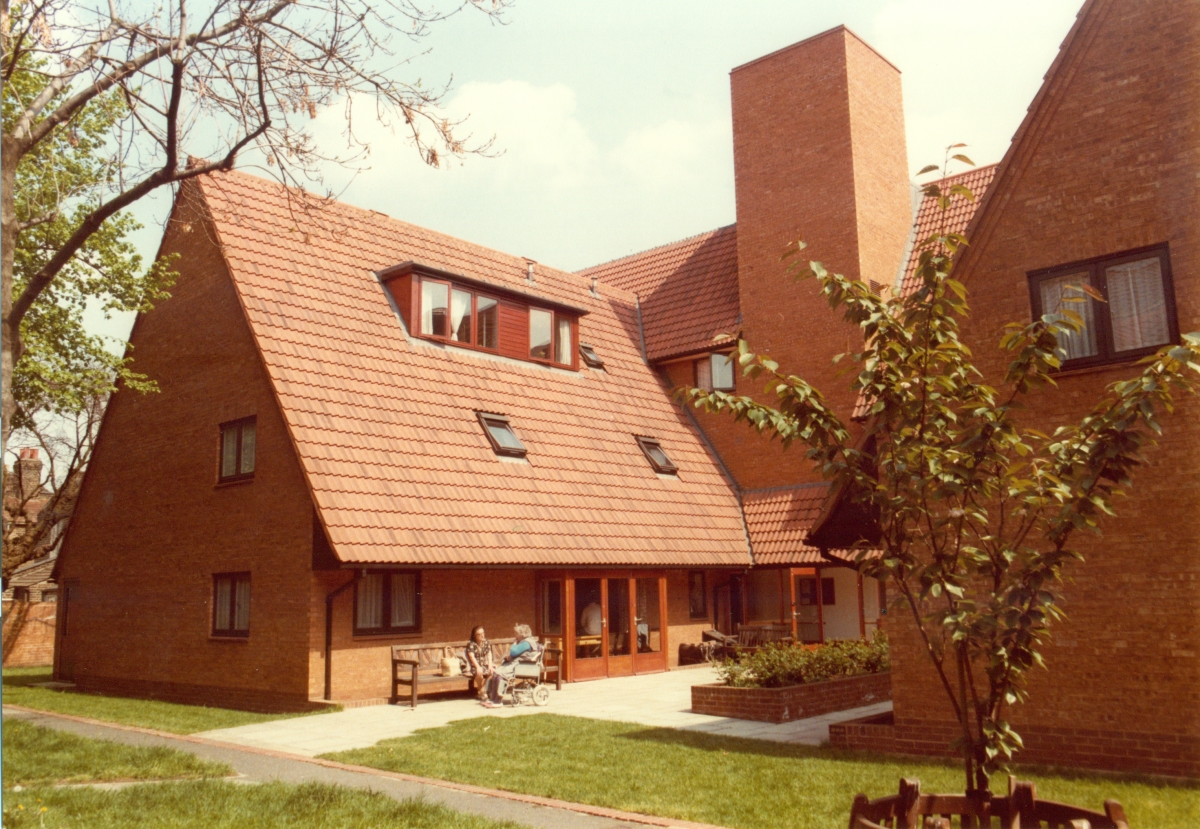 West Ham Central Mission | The West Ham Central Mission was a vision of a minister called Robert Rowntree Clifford who led a small Baptist church in West Ham. His attention was focused on the terrible living conditions in East London where many families lived in slums and relied on docks for work. This led him to set up the West Ham Central Mission in 1904 which was initially housed in the Barking Road Tabernacle Church where he was minister. The mission provided shelter, food as well as work and helped to restore people’s dignity. The Tabernacle housed the congregation and its developing … |
 The Royal Docks | The Royal Docks of Newham are sites of historic and contemporary significance and collectively form the largest enclosed docks in the world. Long before the rest of the city was considered multicultural, the stream of workers from Ireland, Scotland and abroad left a lasting footprint in the borough which can still be seen today in Newham’s wonderfully diverse population. The Docks or ‘Royal Docks’ in Newham are concentrated in the Silvertown and North Woolwich area, named after the Royal Albert Dock, the Royal Victoria Dock and the King George V Dock. The Victoria Dock was the … |
 Canning Town Women's Settlement | The Canning Town Women’s Settlement movement was founded by Reverend Samuel Barnett in the late 19th century. The basis for the movement was that personal involvement is central to tackling poverty. The Settlements were usually linked to a university or public school with students encouraged to settle in areas of social deprivation, and work alongside fellow residents to improve the quality of life for everyone. At the end of the 19th century, many settlement projects had begun to emerge. A prominent example of this was the Canning Town Women’s Settlement which was the idea of F. … |
