


Branch Stories
All Tree Stories for tag 'Gender'
| Story | |
|---|---|
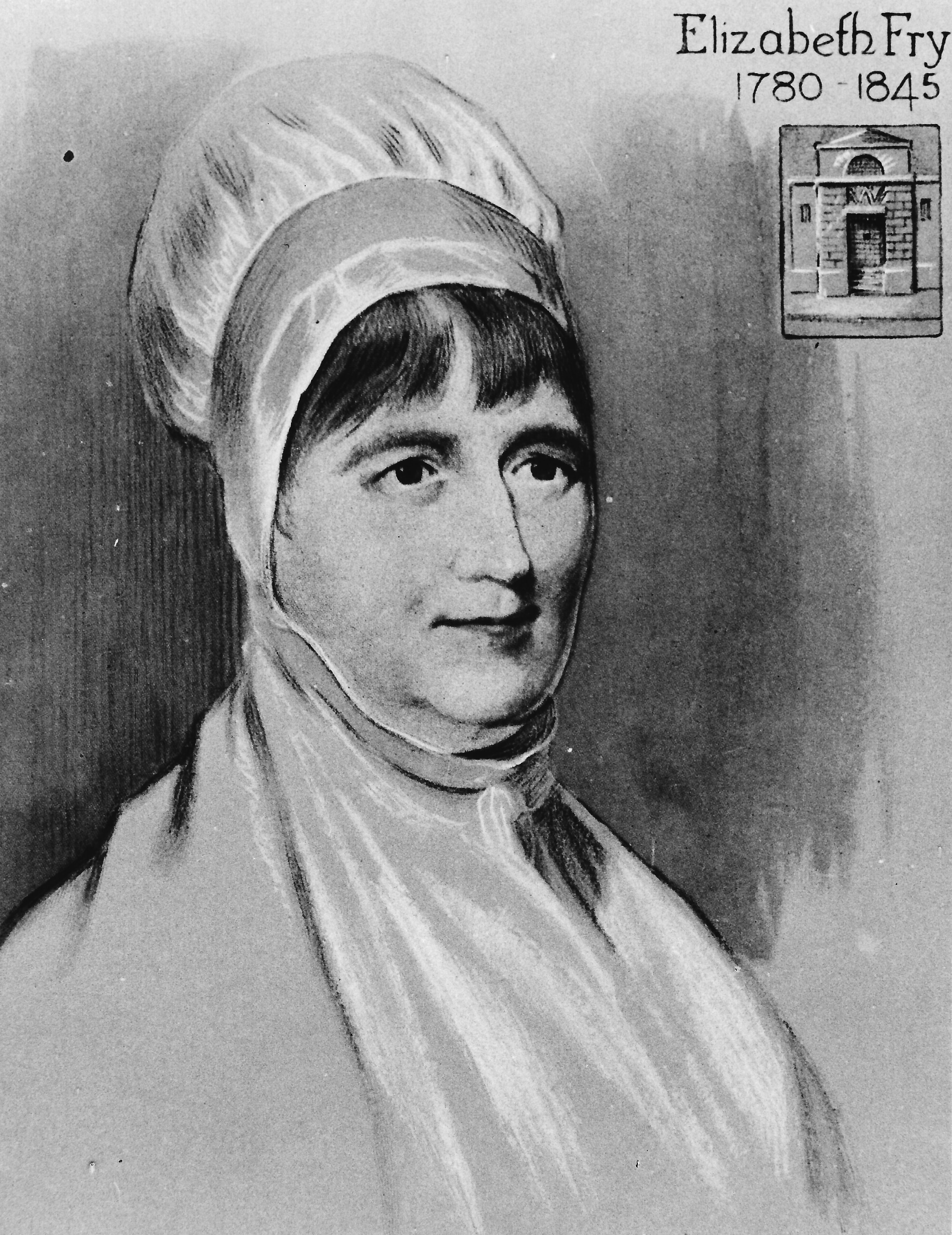 Elizabeth Fry | Elizabeth Fry was a preacher and political reformer. She was born in Norwich in 1780 to the Gurneys, a wealthy Quaker family. Elizabeth became a member of Plain Friends, a strict religious sect who dressed modestly and refrained from singing and dancing. She was inspired by the preaching of William Savery to devote her life to helping the needy. She visited the sick, collected clothes for the poor and ran Sunday schools to teach reading. In 1799 she met Joseph Fry. They married in 1800 and she moved to his family home in Plashed, now East Ham. VIEW FULL STORY |
 Will Thorne | Will Thorne is not a household name, even in Newham, but he is one of the most influential people to have made his home here. Born into a poor family in Birmingham in 1857, William’s alcoholic father was killed in a brawl when he was 7 years old. He had already started work a year earlier. He visited London twice in his mid-twenties, making most of the journey on foot. On the second occasion he found work as a stoker in the Beckton Gasworks and made his permanent home in Canning Town. Will was keenly aware of the harsh working … VIEW FULL STORY |
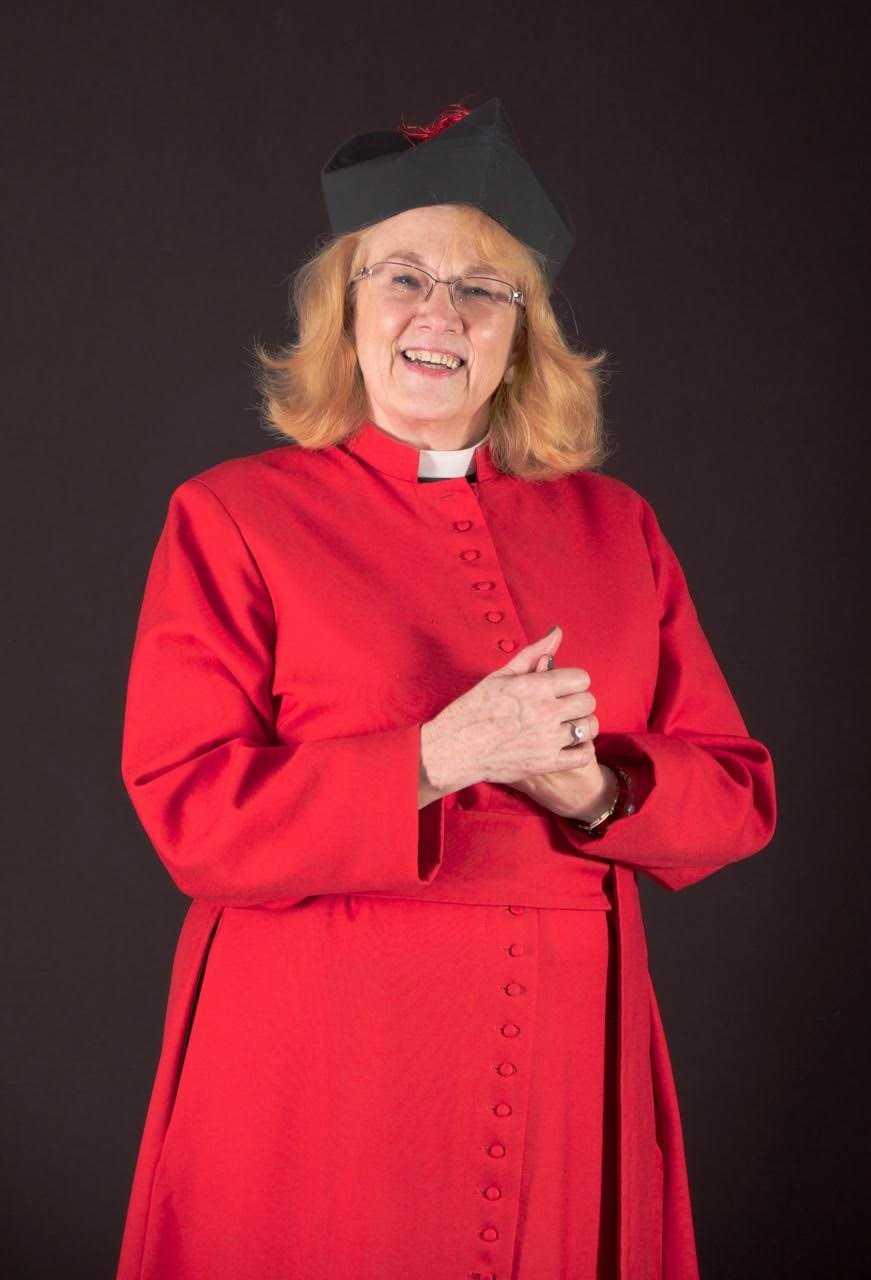 Rev Canon Ann Easter | The story of Ann Easter is an interesting and fascinating one. Ann is a local girl who was born in Upton Park, who has played a prominent role in the local community and within local churches and now serves as a councillor for Canning Town North. Recently, Ann became a chaplain to Her Majesty the Queen and in doing so became the first figure to carry out this role from Newham. This role and responsibility requires her to preach once a year at St James Palace. From an early age, (aged 6) Ann had decided that she wanted to become … |
 Dr Hannah Hedwig Streisow | Receiving the Outstanding citizen award in 2001 from Newham Council, Hannah Hedwig Striesow (née Kohn) is still remembered for her services and dedication to the Newham Community. As one of the first female GPs to practise in Newham in 1950, and continuing to work tirelessly as a full-time Doctor until she was 81, Hedwig Striesow is a truly inspirational figure who defied the barriers of both age and gender. Hannah Hedwig’s journey to success is truly remarkable.Growing up in northern Bavaria, her journey to becoming a doctor was by no means plain sailing- and yet this … |
 Aston Mansfield | In 2000, Aston-Mansfield was created by the merger of two charities – Aston Charities Trust and The Mansfield Settlement – who had been working in east London since the late 19th century. The ethos of Aston-Mansfield’s work has always been about its buildings; the community anchors for local people, open to all. Some of the services that we provided over 100 years ago are not so different to those we deliver today. The Busby Scouts group started in the original Durning Hall in 1908 and meet weekly to this day. With many regular clubs and groups, Durning Hall became a … |
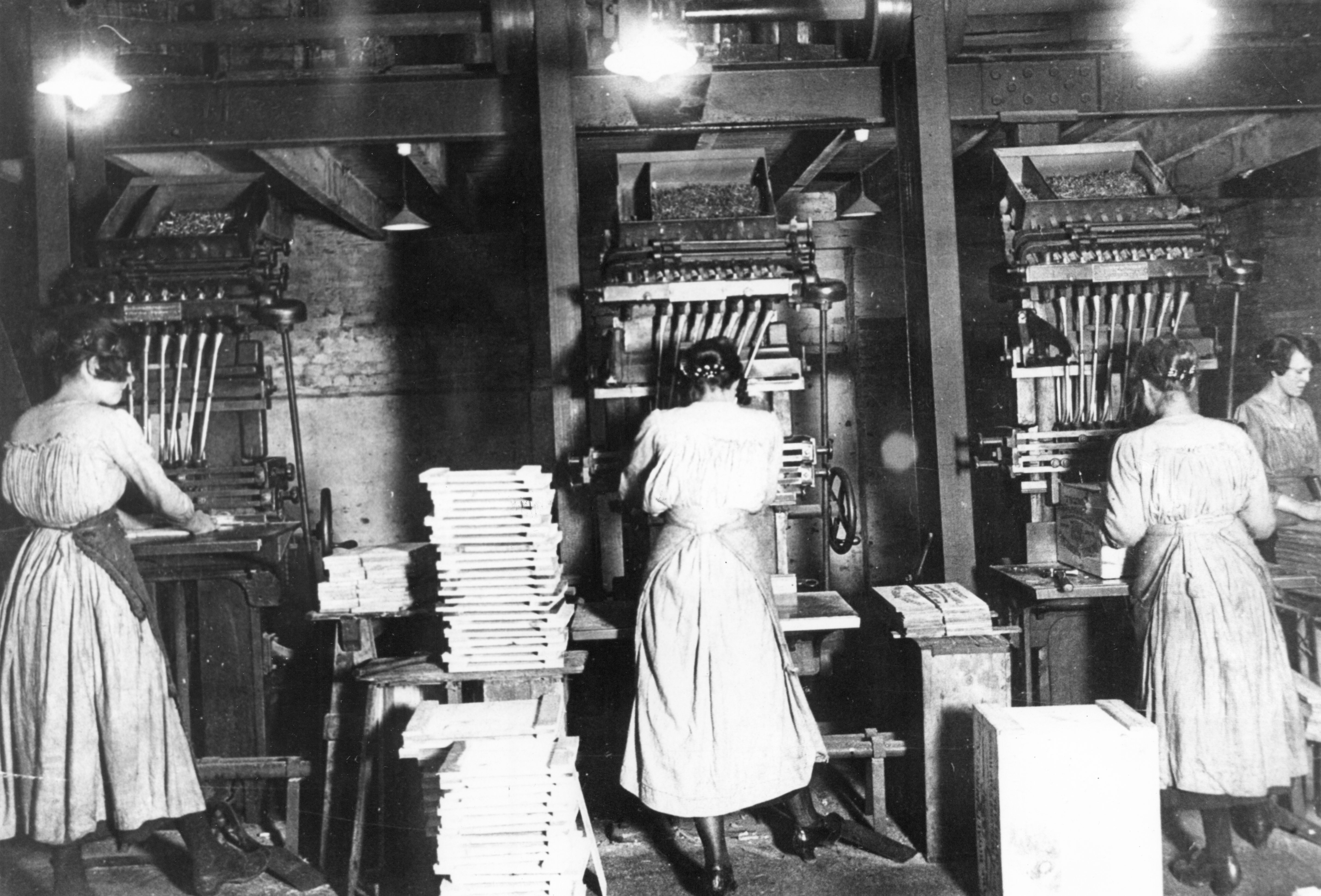 John Knight & Co | From his humble origins as a grocer on the Mile End road, to an international connoisseur of British soap making, the story of John Knight and his soaps is a story of a great British craft, industrial change in London’s East End, and one man’s vision to make essential products accessible to all. Although soap had been recognised as an important domestic and industrial product since the medieval ages, a tax on the product meant that it was largely considered a luxury for the wealthier classes. John Knight’s formula however, made soap more widely accessible for … |
 Plaistow Landgrabbers | Unemployment had been growing in West Ham since the early twentieth century, leaving many unhappy and struggling to survive. Failed efforts by the government and local authorities to relieve this poverty were causing dissatisfaction amongst many of the unemployed. Benjamin Cunningham, a labour councillor, decided to do something about it. In July 1906, he led fourteen unemployed men to an area of wasteland between North Street Passage and St Mary’s Road in Plaistow. The land was divided into four triangles, inspiring the name ‘Triangle Camp’. By the end of the day, twenty men were working on the land, preparing to … |
 John Joseph Jones | John Joseph Jones (1873 – 1941) – was a trade union organiser, councillor and the Labour Member of Parliament for Silvertown from 1918 until 1940. Known for his quick wit and promotion of socialist values, Jones fought throughout his career to defend the rights of the working class in West Ham and Silvertown and regularly gave speeches in the House of Commons supporting legislation to help the poorer sections of society. Jones was born in Nenagh, County Tipperary and moved to London where he became a builder’s labourer. While working on the building sites he joined … |
 Morris Streimer | In the late 1800s, confectionary became a popular consumer product, and companies such built factories in the area providing a great deal of employment in the local community. Streimers Nougat was set up by Morris Streimer, a Jewish immigrant from Austria. Streimer was born in Brody (circa 1857), then part of the Austro-Hungarian empire and moved to England around 1888. Streimer founded his nougat factory shortly after this time in High Street and Ward Road, West Ham and in 1898 moved to Victoria Street. He became one of the suppliers for Ernest Shackleton’s Endurance expedition to … |
 Clive Charles | In 1972 West Ham became the first club to field three black players together: Clive Charles, Clyde Best and Ade Coker. The collective impact of the three across America was explosive. Brian Belton, a sports writer and expert in West Ham’s history, claims it was the influence of these three which inspired him … |
 Josie Woods | Employment opportunities for black women in the 1930's were few, and often the music hall provided the only escape from work from the drudgery of the local factory. Such were the facts of life in the case of Josie Woods (1912-2008), born in Canning Town to a docker from Dominica and a mother of reported gypsy origins. Josephine Wood, became known as the Jitterbug Queen, helping to popularise the dance craze to young people in the East End. In the late 1920's, Woods attended an audition held by the African-American music hall entertainer Belle Davis for … |
 John Charles | West Ham has provided the England football team with many talented black footballers. Perhaps forgotten by many though is full back John Charles who was the first black footballer to represent England when he was selected for the under 18 side winning 5 youth caps. John Charles was born in Canning Town in 1944, to a white British mother from Silvertown and a Merchant seaman father from Grenada in an era when mixed race relationships were frowned upon by many. Aged 13 John was spotted playing for his school by a local scout and asked to … |
 Harold Mugford | The First World War affected every community across Europe and beyond. Newham - or more accurately, the parts of East London that were to become Newham in the 1960’s – was no exception. Over fifteen million lost their lives worldwide, and the lives of millions more were changed forever. One of them was Harold Mugford, who was born on August 31 1894. The second son of Richard Sandford (a Solicitor’s clerk) and Rose Mugford, Harold was born in Bermondsey and moved to East Ham at an early age, and went to Shrewsbury Road School. As a … |
 Robert Whiting | Robert ‘Pom Pom’ Whiting was born in Canning Town in January 1884. He worked as a labourer and ship-builder in the local docks. He played goalkeeper for Thames Ironworks, later West Ham United. He moved to Tunbridge Wells Rangers and in 1906 was scouted to play for Chelsea, where his powerful goal kick earned him the nickname ‘Pom Pom’ after a long-range naval gun. In 1908 he was transferred to Brighton and Hove Albion, making 320 appearances over seven seasons. At the outbreak of war in 1914, the government encouraged men from the same town or … |
 Luke Howard | Luke Howard was born in 1772 into the Quaker family of Robert and Elizabeth Howard in London. In an incredible life Luke fought against slavery and was also a very generous benefactor to many good causes. Luke was educated at the Quaker School in Burford, Oxfordshire. He married Mariabella daughter of Quakers John and Mary Eliot and they went on to have 8 children. In 1798 he went into partnership with fellow Quaker and pharmacist William Allen who owned the Plough Court Pharmacy in Lombard Street and was subsequently made responsible for the laboratory in Plaistow. … |
 Reuben Goldberg | Reuben Goldberg’s career of fighting racism and fascism saw him on the frontline in both Bradford and Newham. Reuben was a member of the international Marxist group, President of the Bradford Student Union, and one of the original founders of the Bradford Ad-Hoc committee against racism and fascism. His background as an anti-fascist, a socialist, and a Jew meant he was often seen as a target by his enemies and was regularly attacked. In 1975, Reuben was central to the newly formed Asian Youth Movement, stopping the National Front from marching through Manningham – the heart … |
 Kristian Digby | Kristian Digby was a promising young TV presenter and an openly gay man that served as a role model for many young people. He actively supported them through charities such as the Albert Kennedy Trust and the Terrence Higgins Trust. His premature death in 2010 at the age of 33 in the house he built in Newham was a tragedy felt amongst many. Although known for presenting property shows on the BBC, he also won a Junior BAFTA for his short film Words of Deception. He started out presenting Nightlife on ITV, and in 2001, he … |
 Women’s Rights and Newham | In the late nineteenth century the area now known as Newham was full of key figures in the struggle for female suffrage. This story is about those remarkable people who fought and won new rights for women. Women’s Suffrage Society meetings had been held at Stratford Town Hall from the late 1880s, but in 1906 Sylvia Pankhurst set up a branch of the radical Women’s Social and Political Union (WSPU) in Canning Town. She did this with the help of James Keir Hardie, Labour MP for West Ham and supporter of gender equality and women’s suffrage. … |
 Lonnie Donegan | Though his 'old man wasn’t a dustman', Lonnie Donegan’s influence on the British music scene of the early 1960s can hardly be overstated. Born Antony James Donegan in Glasgow in 1931 to an Irish mother and a Scottish father, Donegan grew up in Milton Road, East Ham, with the family sharing a one room apartment, and he caught rheumatic fever when he was four, a condition linked to poor housing conditions which left him with a damaged heart. Lonnie would grow to become the leading exponent of the skiffle boom of the late 1950s, a homemade … |
 Goodmayes Hospital and Thomas Harry David Arie | When West Ham became an independent borough in the late 1800s, one of the first decisions the council took was to establish that the new area should dispose of its own asylum for mentally ill paupers. To this end, a small farm located in Ilford was purchased, with the intent of transforming it into an asylum. Architect Lewis Angel was hired to redesign the farm and work started in 1898, only to be completed in 1901, when the asylum started admitting its first patients. In 1918 the asylum changed its name to the West Ham Mental … |
 Madge Gill | An outsider, a visionary, totally insane: all of these words have been used, at some point, to describe artist Madge Gill. Born in East London in 1882, Madge Gill, born Maud Ethel Eades, lived a troubled, yet interesting life. She was placed in an orphanage at the age of nine, and shortly afterwards was sent off to Ontario, Canada. Here, she worked as a domestic servant in different households, loathing each experience and always craving to go back to her native London. In 1900, at the age of 18, she was able to pursue … |
 Professor John Corsellis and The Runwell Hospital | The Runwell Hospital was founded in 1936 and immediately began admitting its first patients. Originally located in the East Ham area of London, this institution was created exclusively for curing patients affected by mental health issues, and from the beginning, the Runwell proved to be a highly experimental hospital. Although some of its practices would today be considered quite controversial, the Runwell was the first hospital to open an Electroencephalography Department and always possessed a cutting edge research team. It was in this new era that, following World War II, Professor John Arthur Nicholas Corsellis began … |
 Amy Elizabeth Ryan | Amy Elizabeth Ryan was born in July 1924 in Canning Town. As a child she suffered many illnesses, including rheumatic fever which left her with a weak heart. Despite this, she had an impressive voice, and singing helped to exercise her heart and prolong her life. Aged thirteen she sang for an audience at the Royal Albert Hall. During World War II, Amy sang for the American Red Cross. She travelled with the US forces and performed with Vera Lynn. In a 1944 letter from Dwight Deere Wiman, Director of Entertainment for the Red Cross, he … |
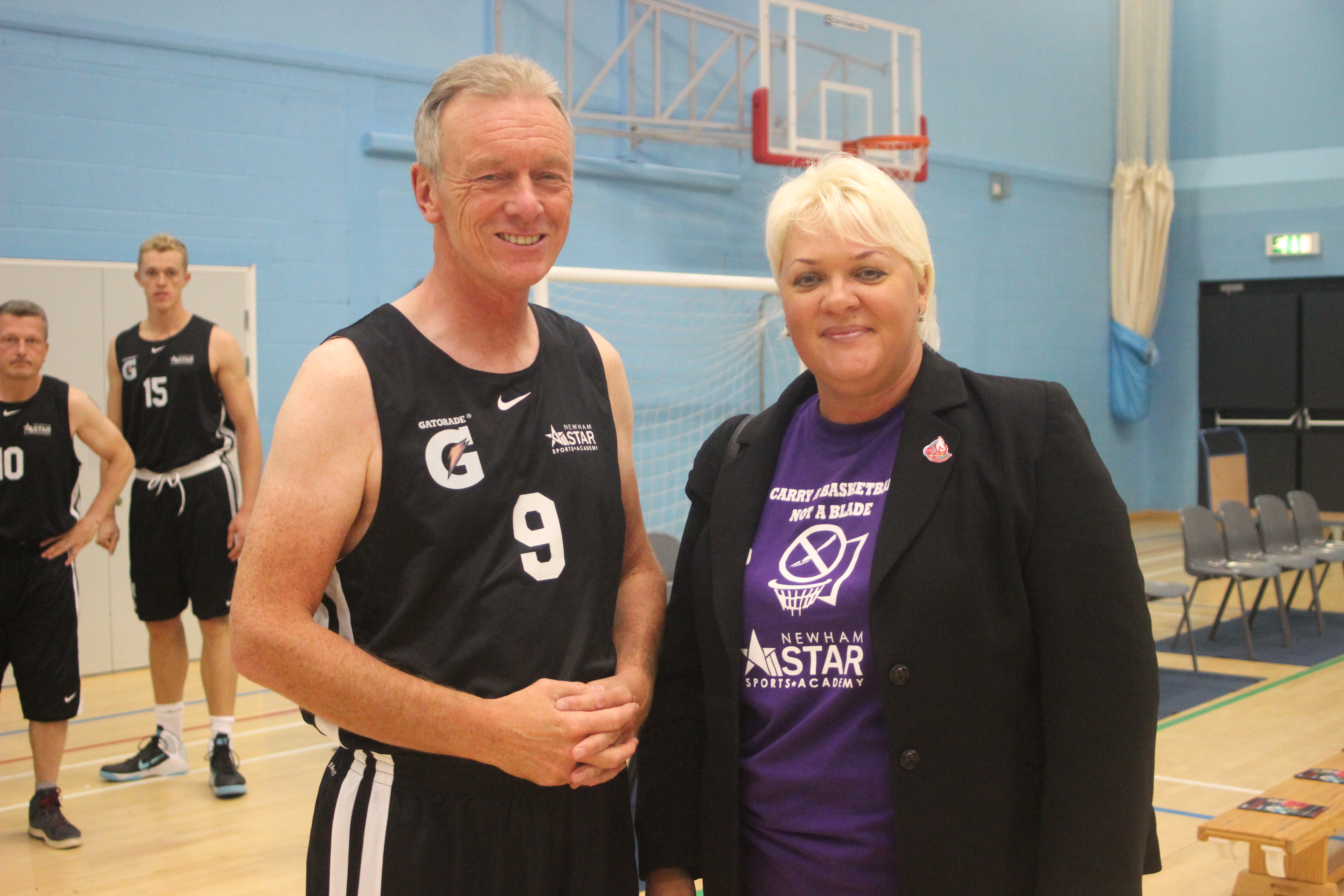 Natasha Hart MBE | Natasha Hart moved to east London from her native Russia 26 years ago. She had played basketball in her youth and as a mother she wanted to pass on her love for the game to her two teenage sons. In 2005, she took them to Balaam Park in Plaistow to give them an impromptu basketball lesson. Her sons loved it and told their friends, while other young people in the park asked to join in. Within weeks, 30 young people were taking part in the sessions. The need for a fun, safe, healthy activity was obvious. … |
 James Keir Hardie | James Keir Hardie, a controversial political figure was born in Lanarkshire, Scotland on August 15 1856. He was the illegitimate son of Mary Keir a domestic servant, who later married David Hardie, a ship's carpenter. Growing up in Scotland, James Keir Hardie experienced the woes of manual labour from an early age; working as a baker's delivery boy at the age of eight without any schooling. By the time he reached the age of eleven he was sent down to work in the mines, working twelve hour shifts. However, his stint in the mines was brief, … |
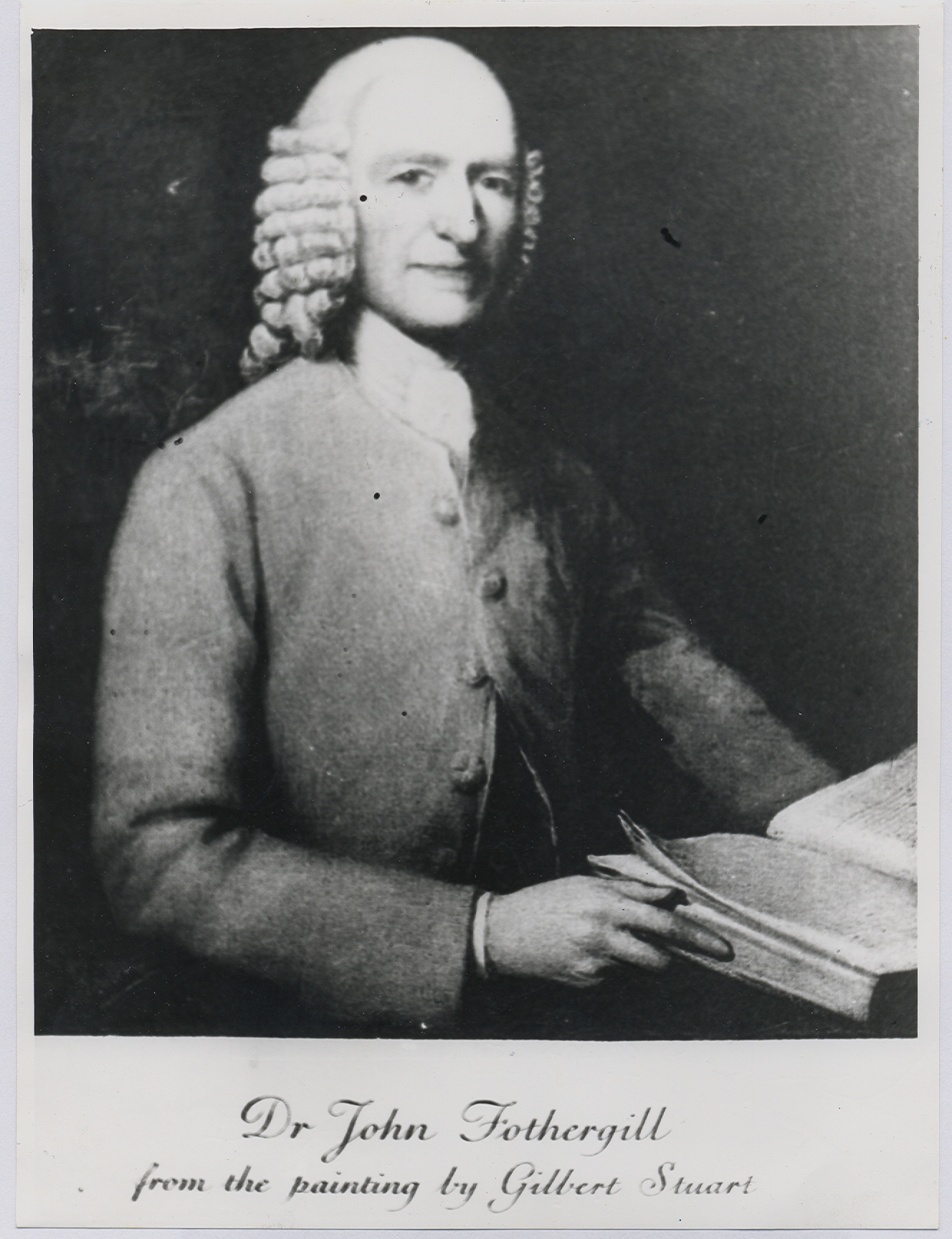 Dr John Fothergill and West Ham Parks | Dr John Fothergill, was a well-known physician, Quaker philanthropist, botanist, campaigner for the abolition of slavery, and the owner of one of the best known gardens in England. Fothergill was initially from Yorkshire but after building a successful career as a doctor he purchased a house and thirty acres near West Ham. The purchase was made in 1762 and Fothergill began enlarging the estate and renamed the home Upton House. He created a grander garden where plants acquired from foreign lands were heavily featured. A local legend states Fothergill had so little time to … |
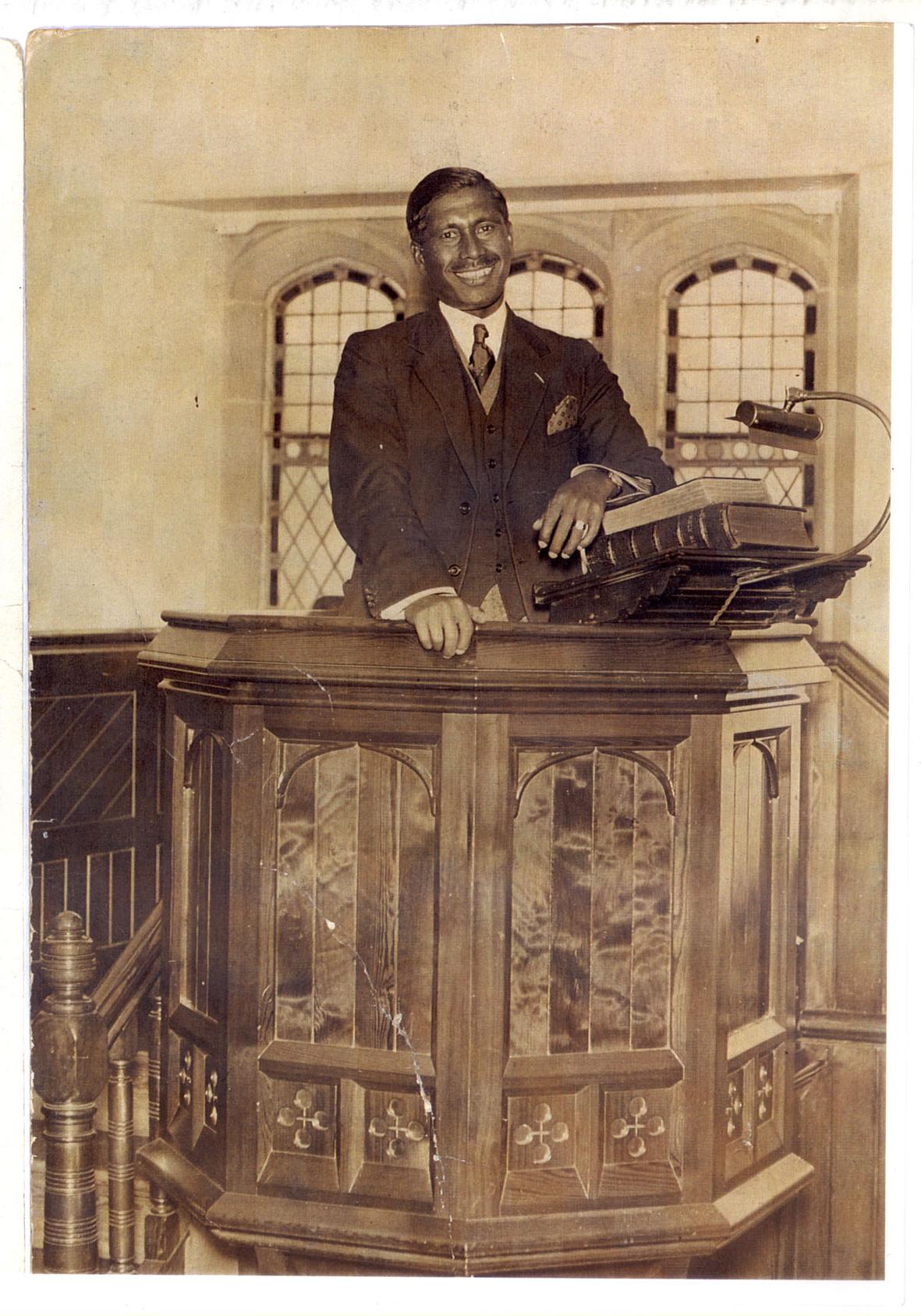 Kamal Chunchie | Kamal Athon Chunchie was a Methodist pastor and founder of the Coloured Men’s Institute. He was born in Sri Lanka to a Muslim family on the 4th June 1886, and enjoyed an active childhood. In 1915 he enlisted in the Public Schools Battalion and saw action in France and Selonika and was wounded twice. In 1917 he converted to Christianity and arrived in London in 1918. Towards the end of the war, he met Mable Tappen a member of the Women’s Army Auxiliary Corps. They married in July 1920 and had one daughter, Muriel. Anna Kingsford (née Bonus) was a doctor, writer, mystic, and women’s rights activist. Born on September 15 1846 in Stratford, her father, a wealthy London shipbroker, died when she was young and left her a large endowment which gave her the kind of financial autonomy many women at the time were not used to. She decided the conditions of her marriage when she married Algernon Kingsford in 1867, and though an Anglican clergyman, he accepted her conversion to Catholicism in the 1870s. Anna’s autonomy and her husband’s acceptance of it, broke socio-cultural standards. Anna Kingsford was … |
 NASSA - Newham All Starts Sports Academy | Newham All Star Sports Academy (NASSA) has become part of Newham’s fabric since it was formed in 2006 by Natasha Hart MBE. It was set up to provide a safe haven in which young people could play basketball socially and competitively in a positive, fun environment. Its growth in size and impact led to it being named overall Charity of the Year at The Charity Awards 2014. Where NASSA differs from many other basketball clubs is in the mentoring support it offers to its young people to increase their awareness … |
 Ekta Project | “Since I started coming to Mehfil Care Group I have made so many friends, I am not lonely anymore” - A user of Ekta Project services Translated as “Unity” in English, Ekta Project – founded in 1986 – has been tirelessly campaigning for the rights of Asian elders in Newham and the surrounding areas for over three decades. Providing equal opportunities and access to care for Asian elders is something that has a personal resonance for founder and CEO Ramesh Verma OBE. Born in Tanzania, Ramesh moved to the … |
 Samuel Gurney | Samuel Gurney and his family were at the forefront of the fight against slavery - just one of the many battles Samuel fought during his notable life. Gurney was born at Earlham Hall near Norwich on 18th October 1786. He then went on to marry Elizabeth Sheppard, the daughter of James Sheppard who had bought John Fothergill’s estate in Upton. When James died, the two of them went on to inherit the estate where they lived most of their lives. His older sister Elizabeth Gurney married Joseph Fry and went on to become the renowned Elizabeth … |
 Linda Lewis | Linda Lewis, once described as the ‘Cockney-Jamaican Gracie Fields’, is one of Britain's most respected and talented singer songwriters, with a career spanning more than four decades. With her five-octave vocal range, she has fused folk, soul, pop and reggae into a unique signature sound that is now an integral part of the pop music landscape. Linda Fredericks, a cockney-Caribbean mixed race girl born in West Ham in 1950, was only three years of age when she started attending a local stage school. Over the next few years, Linda was regularly cast in non-speaking TV and … |
 Survivors Together | ‘Survivors Together’ has a simple but transformative aim – to provide a space for women survivors of sexual abuse, outside of their homes and families, where they can socialise with women with similar experiences. Since 2008, they have run two groups which meet monthly, alongside one-to-one sessions. One group tends to focus more on talking and socialising, with plenty of tea and cake, the other on learning new skills, from exercise to music, self-defence to Mindfulness. Most recently both groups have collaborated to produce an emotional poetry collection reflecting on their personal experiences, and they often … |
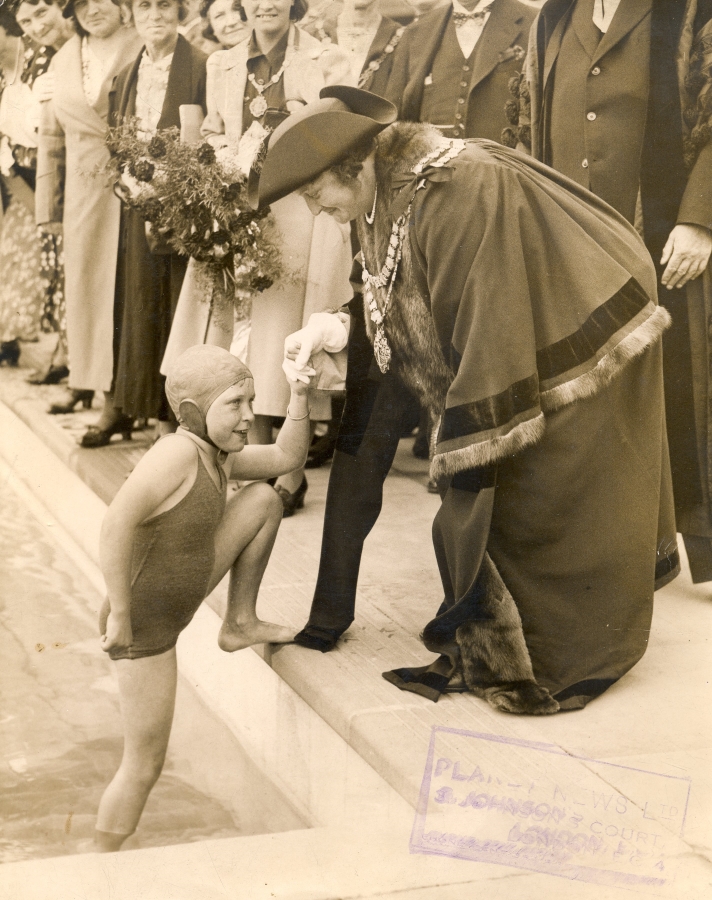 Daisy Parsons | Daisy Parsons was born on May 25th 1890. She was born Marguerite Lena Millo, the daughter of Alfred Albert Millo, a dealer in jewellery and his wife, Emily Elizabeth née Moxley, a charlady. When Daisy was eight months old, her parents moved from Poplar to Canning Town, where they decided to settle. |
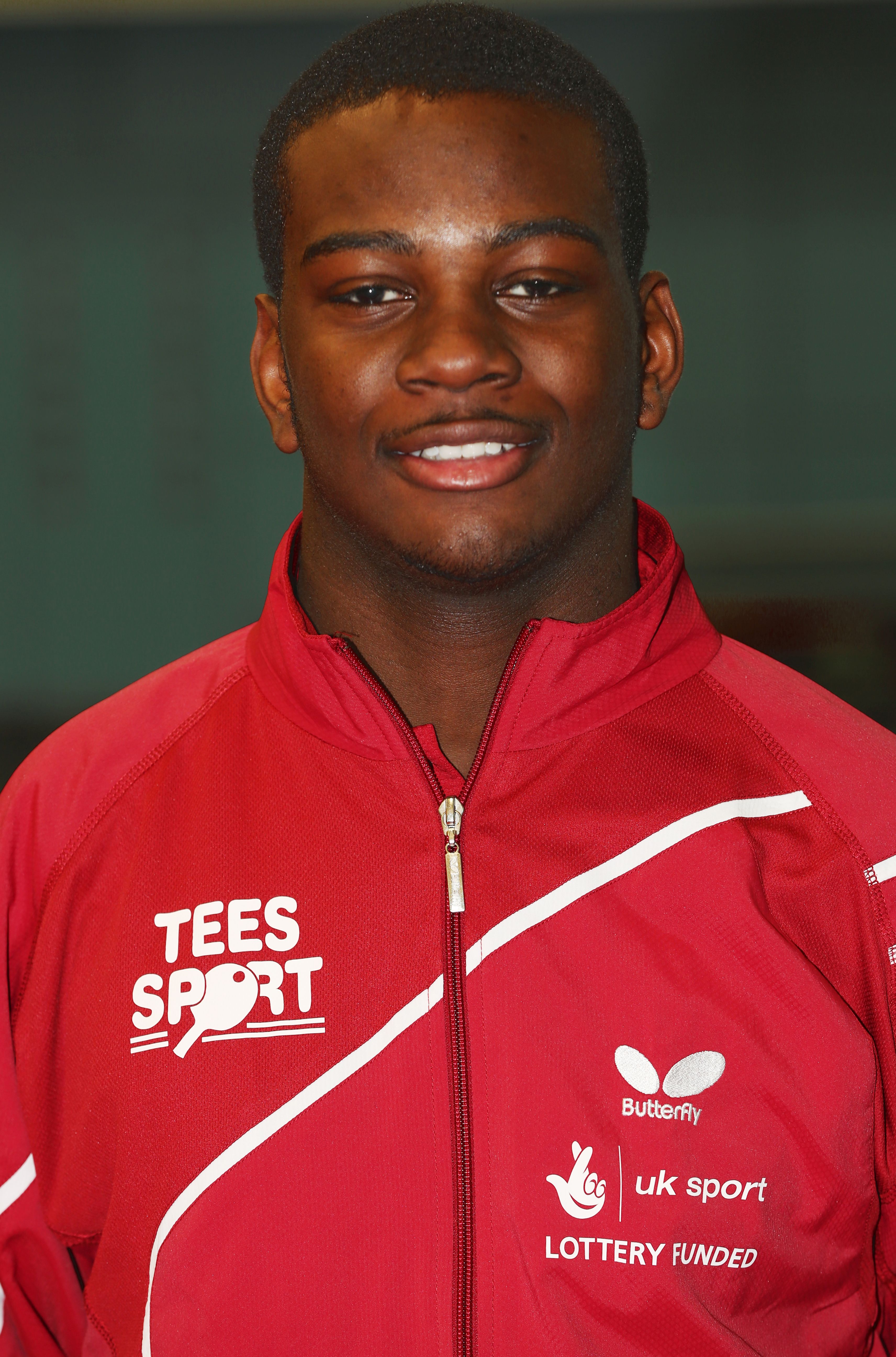 Ashley Facey Thomson | Ashley Facey Thompson is an inspirational figure in the borough of Newham who excels as a table tennis player. Ashley was born on January 31st 1995 and moved to Stratford when he was a child. It was here that he found his love for table tennis at the age of 11. He was taking part in a practice lesson when his coaches immediately spotted his talent. He was only participating for fun, so it was incredibly fortunate that his talent was recognised from such an early age. His love of sports extends beyond table tennis – … |
 Alternatives Trust - East London | Alternatives Trust East London started in 1994 by Plaistow resident Julia Acott in her front room. It provides holistic support to vulnerable local families, working with about 80 women and their children through the We Are Family Club, a weekly social held in the Welcome Centre at Memorial Community Church in Plaistow. Julia, herself a counsellor, originally set up Alternatives Trust to help women who needed support around issues of pregnancy choices and pregnancy loss. She was inspired after hearing one woman say – with tears – that despite the fact that she didn’t want to have an … |
 Colin and Judith Marchant | Judith and Colin Marchant came to Newham in 1965 when Colin was invited to be Baptist Minister at West Ham Central Mission (WHCM) - now Memorial Community Church. They arrived in the year East Ham and West Ham became Newham, and are happy to have lived in the borough ever since. They have three children, nine grandchildren and two great-grandchildren. They are included together because their lives and work are so closely intertwined. Concerned about social justice and members of the Christian Socialist Movement, they were instrumental in setting up and running a number of projects … |
 Under the Stars | Under the Stars is the popular annual musical festival hosted by the borough of Newham. This musical extravaganza usually takes place in Central Park in East Ham, where local residents and Londoners gather for four nights of music concerts and events. From reggae to rock, bhangra to classical, seventies soul to current hits, the festival can count on the collaboration of artists from all over the world, with a particular attention to diversity in genre and origin. Every night is themed and some of the most loved regular participants are the Royal Philharmonic Orchestra with their live classical … |
 Kicks Project - West Ham United Founation | The West Ham United Foundation Kicks programme began as a pilot project in London between the Premier League and the Metropolitan Police in 2006, with the aim of using football to bring communities together and engage with local young people. The vision was to build safer, stronger, more respectful communities through the development of young peoples' potential, guiding youngsters who may have otherwise fallen through the cracks, towards a range of healthy and constructive habits. Newham is in the heart of east London and one of the most deprived boroughs in the country. It … |
 The Royal Docks | The Royal Docks of Newham are sites of historic and contemporary significance and collectively form the largest enclosed docks in the world. Long before the rest of the city was considered multicultural, the stream of workers from Ireland, Scotland and abroad left a lasting footprint in the borough which can still be seen today in Newham’s wonderfully diverse population. The Docks or ‘Royal Docks’ in Newham are concentrated in the Silvertown and North Woolwich area, named after the Royal Albert Dock, the Royal Victoria Dock and the King George V Dock. The Victoria Dock was the … |
 Canning Town Women's Settlement | The Canning Town Women’s Settlement movement was founded by Reverend Samuel Barnett in the late 19th century. The basis for the movement was that personal involvement is central to tackling poverty. The Settlements were usually linked to a university or public school with students encouraged to settle in areas of social deprivation, and work alongside fellow residents to improve the quality of life for everyone. At the end of the 19th century, many settlement projects had begun to emerge. A prominent example of this was the Canning Town Women’s Settlement which was the idea of F. … |
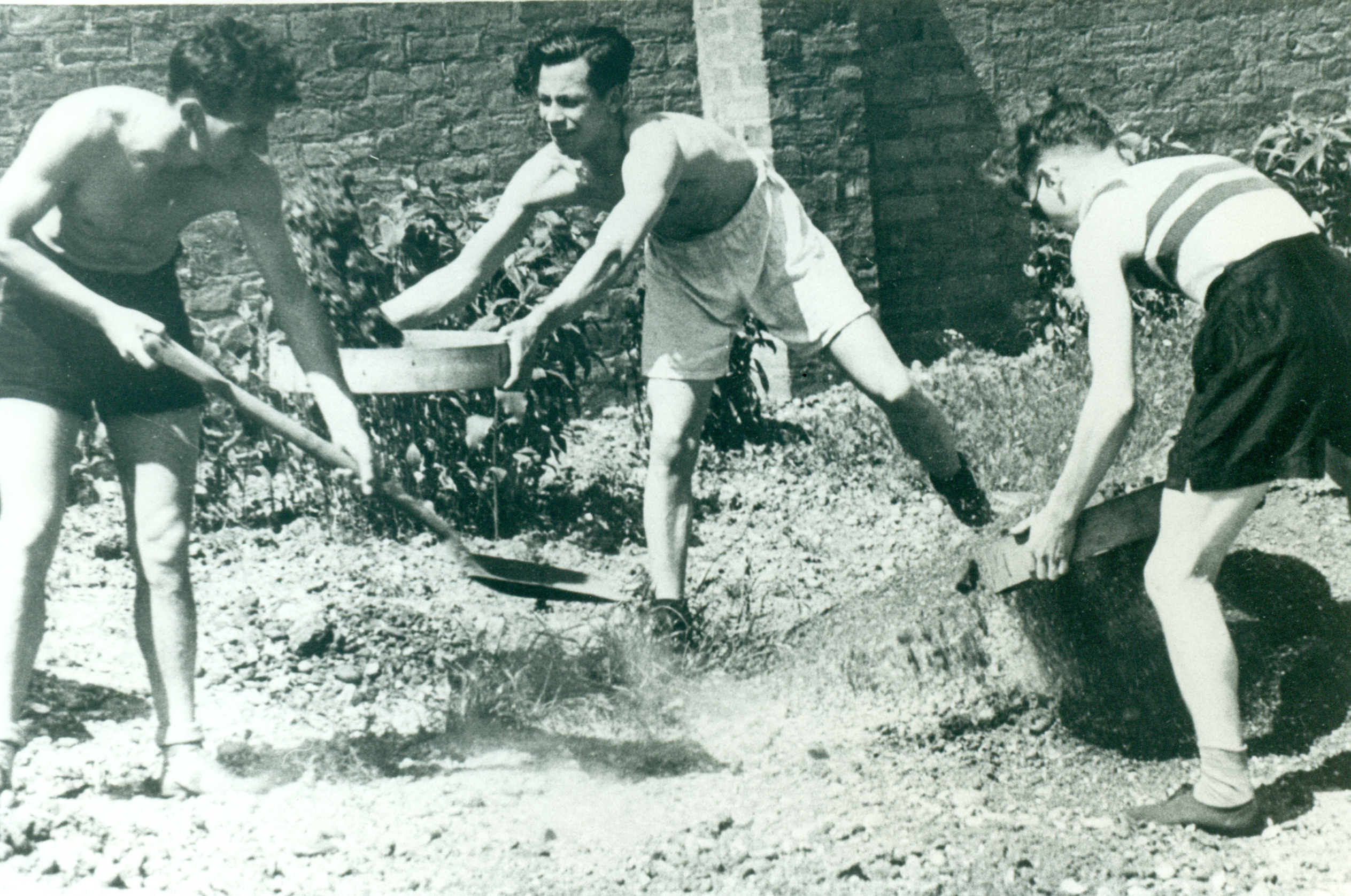 Mansfield House | Mansfield House was part of the settlement project that emerged in Newham in the late nineteenth century. The project provided a range of different services and activities to help local members of the community, and the work became renowned in the region. In 1884 Frederick William Newland, an Oxford graduate and Congregational Church Minister, began a ministry in Canning Town and helped to establish Mansfield House. He invited pairs of students to work with him for two weeks at a time during their holidays, and created a link between Canning Town and Oxford University. It took … |
 Victoria Cross Commemoration | As part of the programme of events for the centenary anniversary of the First World War, Newham Council is holding a series of special commemorative ceremonies in honour of the soldiers who were awarded the Victoria Cross - the highest military award for gallantry and valour in the face of the enemy. These ceremonies are part of a nation wide programme that celebrates Victoria Cross recipients: the intent is to honour their actions, provide a lasting legacy of local heroes within communities and enable residents to develop a better understanding of the role of their areas during the First World … |
